
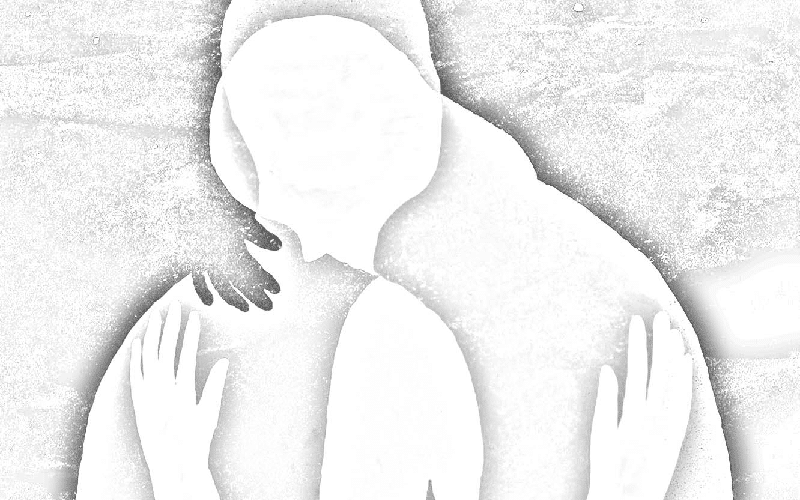
Losing someone you love is incredibly tough, and it is natural to grieve. But when grief sticks around for a long time, it can really mess with your mental health. Let us dive into how chronic grief affects mental health and how therapists can help with chronic grief therapy.
The Impact of Chronic Grief on Mental Health
- Emotional Rollercoaster: Chronic grief can make you feel constantly sad, angry, or bitter. It is like a part of you is missing, and this emotional turmoil can impact your daily life and relationships.
- Depression and Anxiety: Long-term grief often comes with depression and anxiety. You might feel hopeless and helpless, constantly thinking about your lost loved one. Anxiety can make you worry about the future or feel like you cannot handle life without them.
- Brain Fog: Grief can cloud your mind, making it hard to concentrate, remember things, or make decisions. You might struggle to focus on tasks or plans.
- Physical Health Problems: The stress from chronic grief can take a toll on your body. It can weaken your immune system, increase the risk of heart problems, and worsen existing health issues. Sleep problems and changes in appetite are also common.
- Social Withdrawal: People dealing with chronic grief might pull away from social activities. They might avoid places or things that remind them of their loved one or feel disconnected from others who do not understand their pain. This isolation can make feelings of loneliness and depression worse.
- Complicated Grief: If chronic grief is not addressed, it can turn into complicated grief, where the intense feelings stick around and interfere with daily life. So it is important to get professional help.
How a Chronic Grief Therapy Can Help
Therapists are like guides who help you navigate the rough waters of chronic grief. Here is how they can support you:
- Grief Counseling: Helps you process your loss and adjust to life without your loved one. Therapists provide a safe space to express your feelings and work through your grief.
- Value and Purpose Alignment: Therapist encourages you to accept your grief and commit to actions that align with your values. This therapy helps you find meaning and purpose in life despite your loss.
- Narrative Therapy: This involves reshaping your grief story. By exploring and reframing your narrative, you can find new perspectives and ways to honor your loved one’s memory.
- Mindfulness and Relaxation Techniques: Therapists often use mindfulness and relaxation techniques to help manage the physical and emotional symptoms of grief. These practices can reduce stress, improve sleep, and boost overall well-being.
- Support Groups: Joining a support group can give you a sense of community and understanding. Therapists might recommend groups where you can share your experiences and learn from others going through similar challenges.
- Companioning and Rituals: Companioning means walking alongside the grieving person, offering empathy and support without trying to fix their grief. Rituals, like creating a memory book or participating in commemorative activities, can also help process the loss.
- Addressing Unresolved Issues: Therapists help you tackle any unresolved issues or conflicts related to the deceased. This might involve discussing positive memories, resolving feelings of guilt, and finding closure.
Conclusion
Chronic grief over the loss of a loved one can deeply impact on your mental health, affecting your emotions, cognitive functions, physical health, and social interactions. But with the help of a skilled therapist, you can navigate your grief journey and find ways to adapt to life without your loved one. Therapists provide the tools and support needed to process grief, develop coping strategies, and find a path to healing.
If you or someone you know is struggling with chronic grief, seeking professional help can make a big difference. Remember, it is okay to ask for support and take the time you need to heal. Contact me today for chronic grief therapy.
References
- https://positivepsychology.com/grief-counseling/
- https://psychcentral.com/health/therapy-for-grief
- https://www.verywellhealth.com/prolonged-grief-disorder-5218745
- https://www.health.harvard.edu/mind-and-mood/getting-stuck-in-long-term-grief
- https://www.health.harvard.edu/blog/grieving-dont-overlook-potential-side-effects-2019010415722
- Complicated grief – Symptoms and causes – Mayo Clinic
- Grief and the Body: Symptoms, Coping Strategies, and Outlook